
RICS Valuation for Probate: Executor’s Plain-English Guide
You've just lost someone and the paperwork has landed on the same table as the grief. The house may be empty, the keys may be with you, and somebody has already asked for the value of the property for probate. That is the point where a calm, proper RICS valuation for probate matters. It is not a guess, and it is not the price you think the place might fetch if you put it on Rightmove next week.
If you're trying to keep track of death certificates, the will, bank letters and utility bills, it helps to put the property papers in one place too. A simple family document hub like Family Folder family document hub can make that part less messy. In probate work, tidy records save time and reduce mistakes.
Table of Contents
- What an Executor Is Asked to Value
- How a RICS Valuation for Probate Works
- Probate Valuation vs Market Value vs Estate Agent Appraisal
- Step-by-Step Guide for Executors Commissioning a Valuation
- Typical Costs, Timescales and What Drives Both
- London-Specific Considerations Executors Often Miss
- Common Pitfalls and How to Avoid Them
- Frequently Asked Questions About Probate Valuations
What an Executor Is Asked to Value
The first mistake is simple. People hear “probate valuation” and think they need to work out what the house would sell for now. That is not the task. You are reporting a defensible open market value at the date of death for inheritance tax purposes, because that is the figure HMRC looks at when the estate is being administered (RICS community guidance).
If you are the executor, the responsibility sits with you, not the beneficiaries. That makes this one of the first decisions that matters after the death, especially if the property is in South East London where a flat in Peckham, a terrace in Lewisham, or a leasehold in Greenwich can shift in value as the market moves. A rough figure pulled from a listing site is not enough.
Practical rule: use the date of death, not the date you were instructed, not the date you get around to marketing the property, and not the price you hope to achieve later.
A good probate figure is not about optimism. It is about evidence, because the number goes into the estate's tax reporting and may be checked later. HMRC details for the estate are part of the probate process, and the estate valuation is needed so HMRC can decide whether inheritance tax is due (The Gazette probate guidance).
The paperwork has to line up. The will, title information, any lease, and the death-date facts all need to match. If you are sorting the estate yourself, keep the property documents with the rest of the administration file, and keep any valuation notes in one place as well. That saves time later and gives you a cleaner trail if anyone asks how the figure was reached.
For a fuller explanation of what a formal valuation should contain, see our guide to RICS property valuations.
If you are trying to get the estate paperwork in order at the same time, the Family Folder family document hub is a sensible place to keep key documents together.
How a RICS Valuation for Probate Works
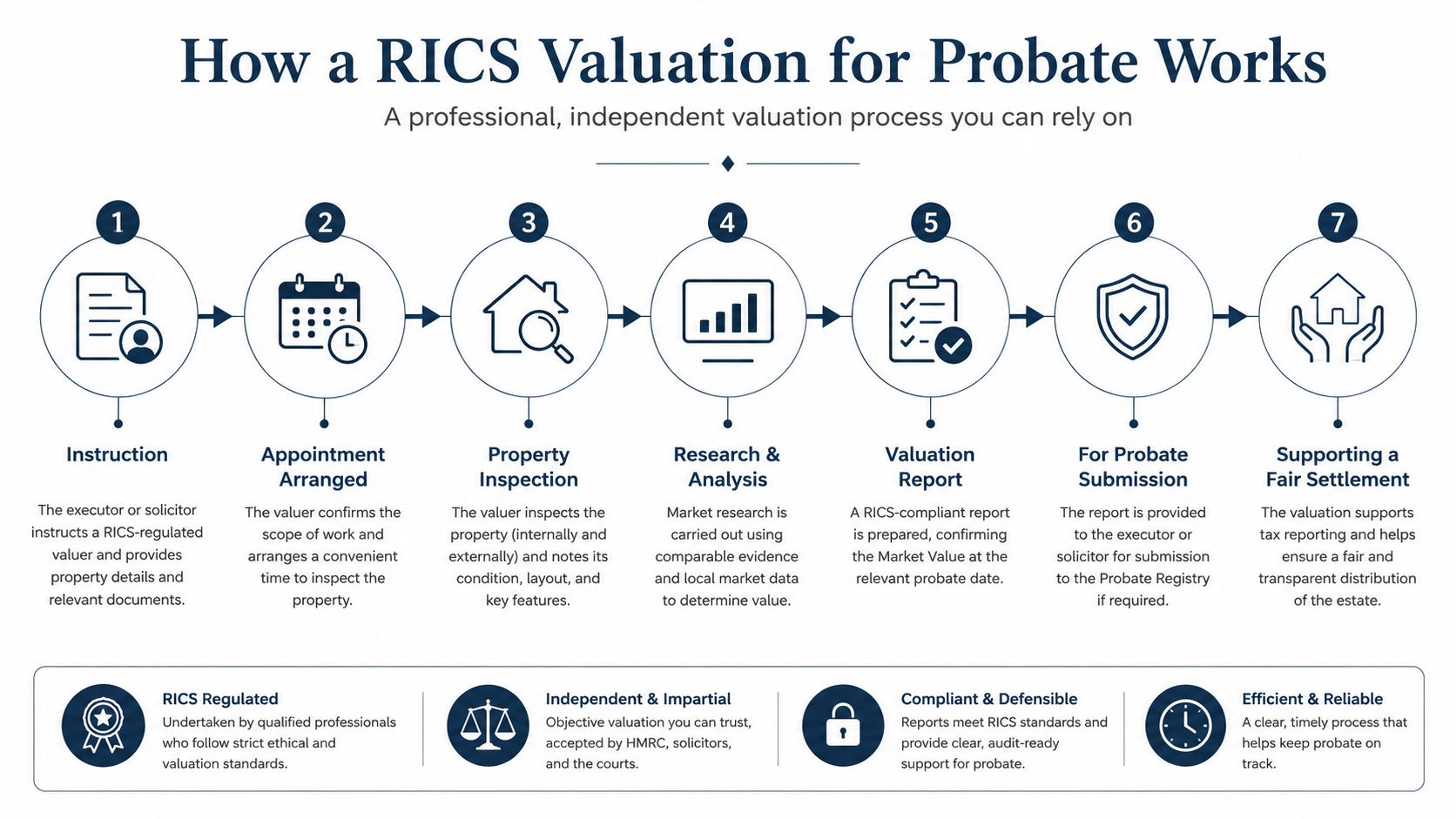
A proper RICS valuation for probate is a formal report, not a casual opinion. It follows RICS Red Book Global Standards, which are the benchmark framework for registered valuers, and it is prepared by an RICS Registered Valuer so the result has a stronger evidential footing if HMRC later asks questions (Red Book Global Standards). That matters because the District Valuer Service can look again at a figure that seems weakly supported.
The basis is the same every time. The valuer looks at open market value on the date of death, which means the price a willing buyer would reasonably pay under normal market conditions on that exact day, not a later day with different sentiment (RICS standards and guidance). The valuer then rebuilds the market as it stood then, using comparable sales, location, condition, tenure and any legal or physical constraints.
What the valuer records
A sound report should show the basis of value, the valuation date, inspection findings, comparable evidence, assumptions and any special assumptions. That trail is what makes the figure defensible. If HMRC asks why one flat in Catford was valued differently from another in Brockley, the report should show the answer plainly.
What it is not
It is not a full building survey in the Level 2 or Level 3 sense. If you're selling the property or suspect defects, you may still need a separate RICS HomeBuyer Survey or RICS Building Survey. Probate value and condition are related, but they are not the same job.
Probate Valuation vs Market Value vs Estate Agent Appraisal
A lot of trouble starts when executors use the wrong document for the wrong purpose. A probate valuation, an estate-agent appraisal and a lender valuation all serve different masters. Only one of them is built for HMRC scrutiny.
| Type | Produced by | Purpose | Accepted for IHT400 |
|---|---|---|---|
| Probate valuation | RICS Registered Valuer | Tax reporting at date of death | Yes, when properly prepared |
| Market appraisal | Estate agent | Sale pricing opinion | Not the same thing |
| Lender valuation | Mortgage valuer | Mortgage security | Not a probate figure |
An estate-agent appraisal is there to help sell a property. It is often useful as market colour, but it is not designed to stand up as a retrospective tax valuation. A lender valuation is narrower again. It tells the bank what the property may be worth as security, not what HMRC should accept for inheritance tax.
The practical problem is simple. If the figure on the estate's return looks loose, HMRC can challenge it through the District Valuer Service. A substituted higher figure means more tax for the estate, and that can leave beneficiaries unhappy with the executor. For a London property, especially a flat in Bermondsey or a Victorian terrace in Forest Hill, the gap between opinions can be enough to matter.
Bottom line: if the estate has any chance of being queried, don't build the return on an estate-agent letter and hope for the best.
A formal report from a qualified valuer is the safer document. If you need a wider read on valuations generally, a plain-English explainer like this property valuation guide can help separate the tax job from the sale job.
Step-by-Step Guide for Executors Commissioning a Valuation
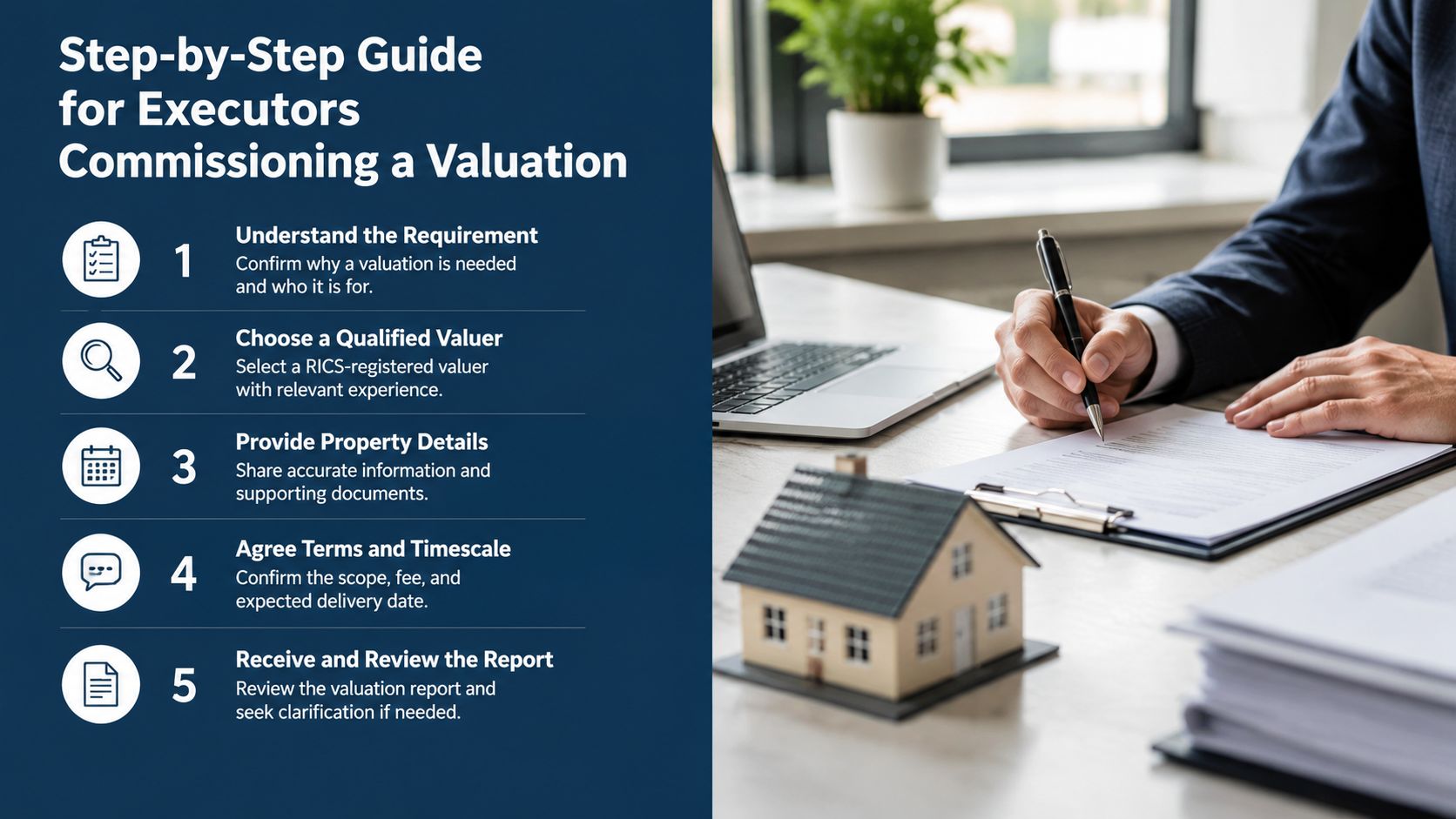
Start with the date of death and work backwards from there. That is the anchor. Then gather the title documents, the lease if it is leasehold, any planning paperwork, and anything that affects the property's legal or physical position. If there are alterations, extensions or a loft conversion, the valuer needs to know.
Choose an independent RICS Chartered Surveyor and not a firm tied to the eventual sale. Independence matters because probate is about evidence, not sales chatter. Corinthian Surveyors London LTD is an independent firm based in Forest Hill, and that sort of separation from lenders, estate agents and developers is exactly what you want when the figure may be tested later.
What to send before the inspection
- Title and lease papers: these tell the valuer whether the property is freehold or leasehold and whether there are restrictions.
- Death date and executor details: the report must be tied to the right historic point and the right instruction.
- Planning or consent documents: useful if work has changed the layout or use of space.
- Service charge or ground rent information: important for flats in London, especially where the lease terms affect value.
The valuer will inspect, note the condition, and research comparable sales. If the property is unusual, the comparable evidence should be explained, not just named. That is where a strong report earns its keep.
For executors who want a quick sense check before instructing anyone, this guide on checking property value in the UK is a useful starting point. It will not replace the valuation, but it will help you ask better questions.
When the report lands, pass it to the probate practitioner or solicitor for the IHT400 and any related schedules. Keep the original report on file. HMRC can ask later, and if the estate sold months after death, the old report is still the one that matters.
Typical Costs, Timescales and What Drives Both
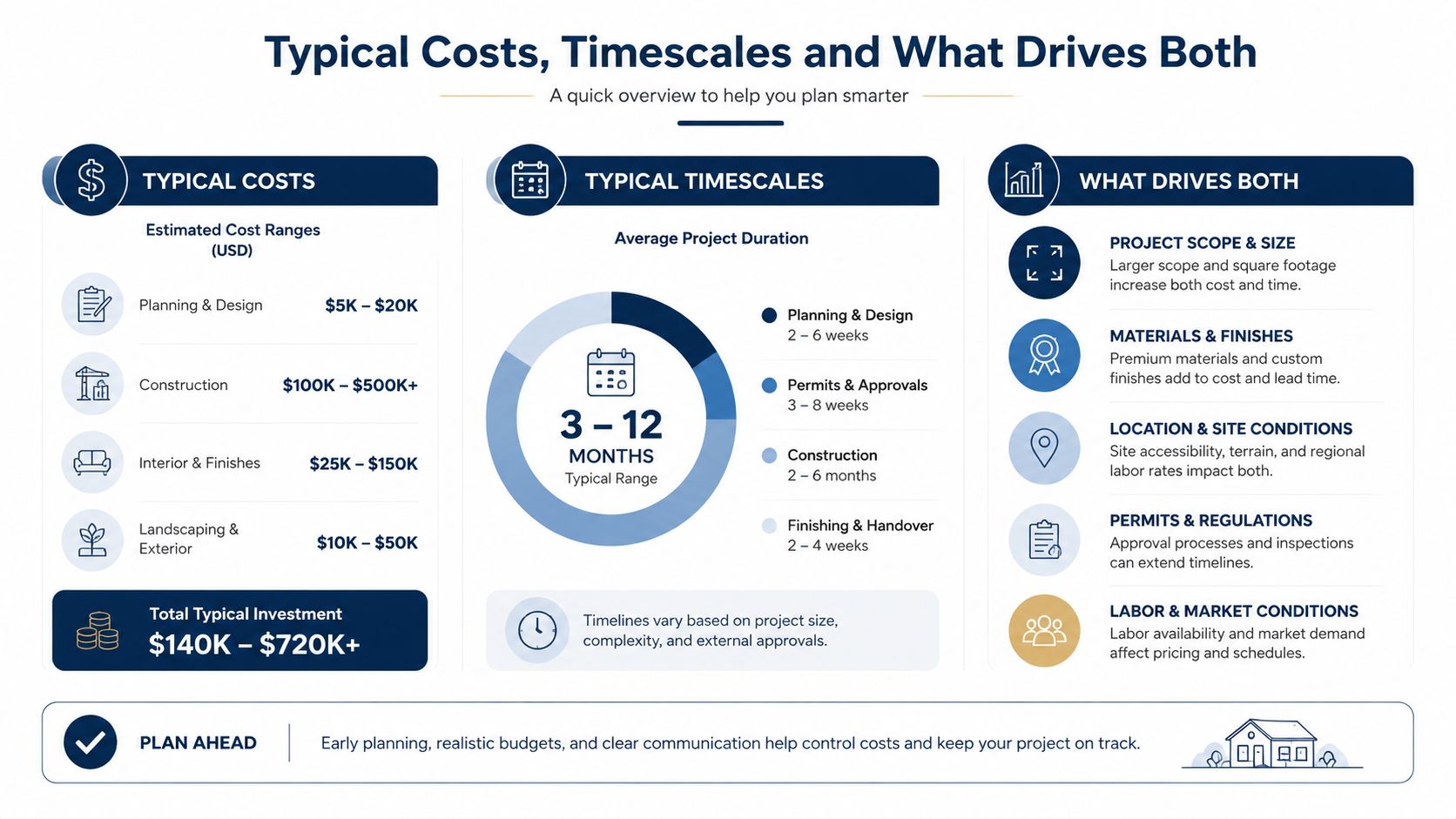
You usually need two answers first, what it will cost and how long it will take. For a standard UK residential probate valuation, fees are commonly quoted in the £300 to £800 range, with London examples often around £400 to £750 depending on size, complexity and value (probate valuation guidance). That fee is not just for a figure on paper. It covers the inspection, comparable research and the written reasoning HMRC may later ask to see.
Timescales are usually measured in one to three weeks from instruction, depending on access and workload (probate valuation guidance). An empty property with keys available and lease papers ready tends to move quickly. A leasehold flat, a messy title, or a need to reconstruct the date-of-death market will slow it down.
What pushes the job up
- Unusual property type: maisonette, conversion, listed building or non-standard construction.
- Leasehold complexity: short lease, awkward ground rent or service charge issues.
- Weak evidence: if the valuer has to dig harder for comparable sales, the report takes longer.
- London location: local market detail matters, so the comparable work has to be tighter.
A cheap online estimate can look tidy and still fail the only test that matters, whether HMRC accepts it. If the District Valuer substitutes a higher figure, the estate pays the difference. That is a worse outcome than paying for a proper report at the start. For a clearer view of valuation fees in general, this article on house valuation costs is a sensible comparator.
London-Specific Considerations Executors Often Miss
London probate work is rarely as straightforward as a suburban freehold house with neat title papers. A leasehold flat in Southwark with an awkward lease term is not the same valuation problem as a 1930s semi in Bromley or a converted warehouse flat in Bermondsey. The legal structure and the buyer pool both change the figure.
The issues that move the number
Leasehold flats can be sensitive to service charge disputes, ground rent clauses and the remaining lease term. Shared ownership properties add another layer, because the part owned and the part not yet owned need to be understood properly. Conservation area restrictions and listed building controls can also narrow the market because some buyers will walk away when works are constrained.
Date matters too. If someone died during a period of market movement, the estate has to use the value at death, even if the sale happens in a very different market later. That hits London estates hard because even a small move in a valuable flat can change the tax position. A date-of-death figure for a flat in Greenwich is not the same exercise as a sale appraisal six months later.
Practical rule: use local comparables from the right period and the right borough, not national averages and not the last asking price you saw online.
Corinthian Surveyors London LTD works across South East London, so this is the sort of thing they see often in Lewisham, Forest Hill, Catford, Peckham, Dulwich, Greenwich and surrounding boroughs. A local valuer with current evidence is more likely to give you a figure HMRC can live with than someone reading a national portal from a desk in another part of the country.
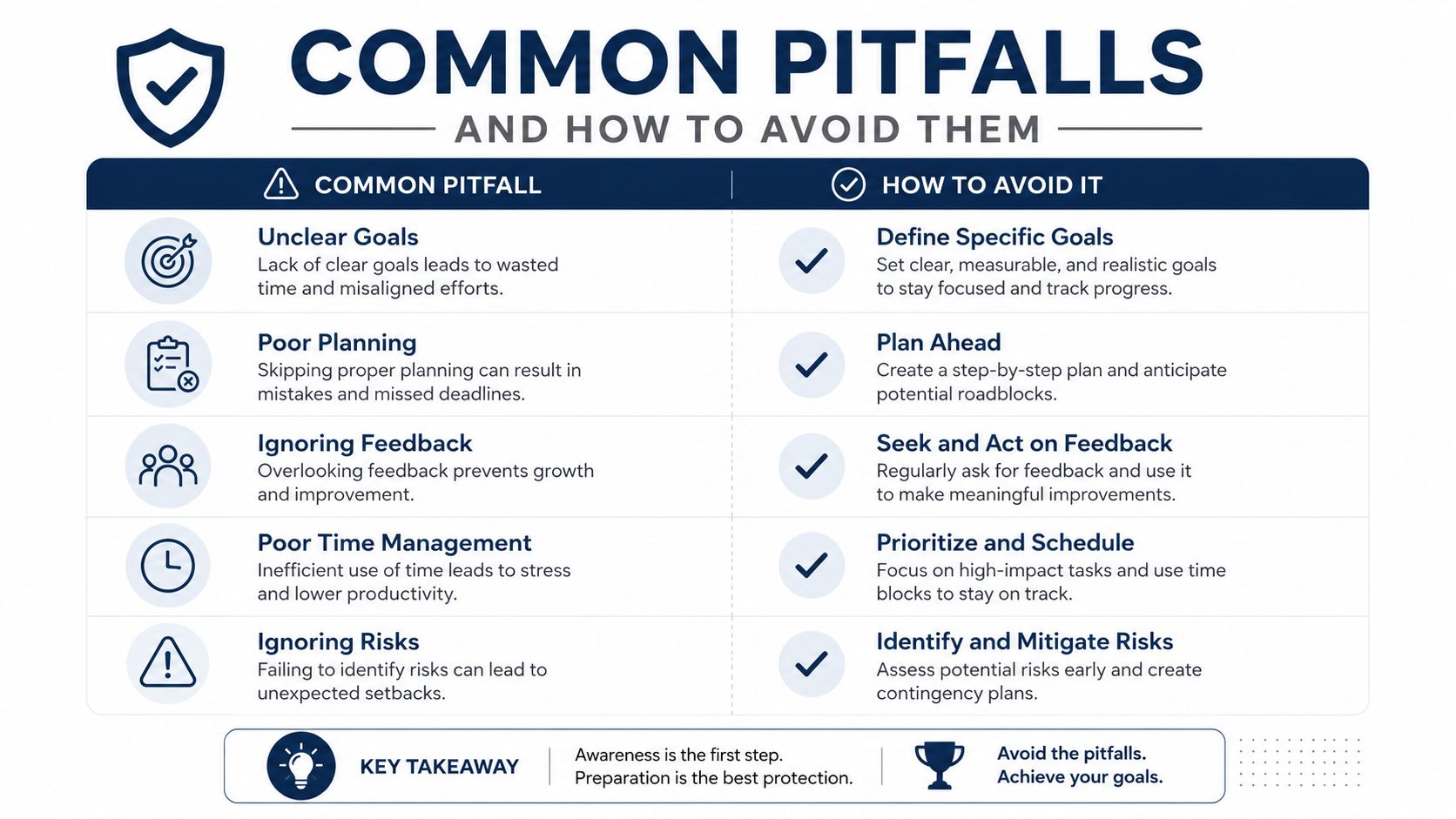
Common Pitfalls and How to Avoid Them
The worst mistake is undervaluing because it feels safer. It isn't. If the figure is not supported, HMRC can query it and the District Valuer Service can step in with a higher one. That can mean extra tax for the estate, and no executor wants to explain that later.
The second mistake is using the wrong kind of document. Three estate-agent letters can be a starting point, but they are not the same as a Red Book-compliant report. A retrospective valuation done after the property has been marketed is also the wrong shape if it ignores the market on the date of death.
If you want a wider look at mistakes executors make, a general guide like the Red Rock Properties executor guide is useful for the broader administration mindset, even though the tax rules differ by jurisdiction. The lesson is the same. Keep the evidence clean and the process disciplined.
Keep these records
- The valuation report itself: this is the core document HMRC may ask to see.
- Comparable evidence used: keep the sales evidence with the file.
- Assumptions and special assumptions: these explain how the figure was reached.
- Lease or title papers: especially important for flats and converted houses.
One more thing. Do not instruct the valuer through the agent who will later sell the property if you can avoid it. Independence is cleaner, and probate should stay separate from marketing. That way, if the estate is questioned later, the paper trail is easier to defend.
Frequently Asked Questions About Probate Valuations
How long is a probate valuation valid
It is valid for the date of death it was built around. Probate is retrospective, so the relevant figure does not change just because the sale takes place later. Keep the report on file, because HMRC can ask about the basis long after the property has been dealt with.
Can I use the same valuation I had done for a remortgage
No. A remortgage valuation is a lender-security figure for a live lending decision. Probate needs an open market value at the date of death, supported by comparable evidence and a written audit trail. The purposes are different, so the documents are not interchangeable.
Do I need a probate valuation if there is no inheritance tax to pay
Often, yes. Executors still need proper asset figures for the estate paperwork, and HMRC's probate process still depends on full disclosure of assets and liabilities, including gifts in the seven years before death (The Gazette probate guidance). If the property is material, a formal valuation keeps the file defensible even where the tax bill ends up being nil.
What if the property is jointly owned or part of a trust
Then the ownership structure has to be understood before the value is reported. Joint assets and trust interests can change what is included in the estate, and that is not something to guess at. Get the title checked and make sure the valuer sees the right ownership papers before the report is issued.
A defensible probate valuation needs three things, an RICS Registered Valuer, Red Book standards, and an open market value at the date of death backed by a clear audit trail. That is the standard HMRC expects, and it is the standard that keeps executors out of unnecessary trouble. Corinthian Surveyors London LTD is an independent residential practice, regulated by RICS, with no ties to lenders, estate agents or developers, and it works across all London boroughs, the Home Counties and the South of England.
If you're dealing with a probate property in London, don't guess at the figure and hope HMRC agrees. Speak to a surveyor who knows the local market, the paperwork and the tax angle, and keep the estate file tight from the start. Corinthian Surveyors London LTD can handle the valuation and explain the process clearly, and you can see how they work at Corinthian Surveyors London LTD or ring 0800 00 16 422 to talk it through.