
Leasehold Extension Valuation: London Homeowner Guide 2026
You've checked the lease on your London flat and found that the term is getting uncomfortably close to 80 years. The estate agent says it's manageable. An online calculator gives you a figure. Your solicitor says the valuation needs checking. You're left wondering which number matters.
The answer depends on the lease term, the ground rent, the value of the flat and the evidence supporting the valuer's assumptions. A leasehold extension valuation is not a calculation for adding years. It prices what the freeholder loses, including income, the delayed return of the property and, in some cases, marriage value.
For a flat in Forest Hill, Lewisham, Dulwich, Bermondsey or another London location, local sale evidence can matter as much as the statutory formula. The earlier you review the lease, the more choices you have.
Table of Contents
- What a Leasehold Extension Valuation Is
- The Statutory Basis and the 80-Year Marriage Value Threshold
- How the Premium Is Built from Three Components
- Worked Examples Above and Below 80 Years
- Commissioning an RICS Valuer and Typical Fees
- Negotiating the Premium and Reducing the Cost
- Leasehold Extension Valuation Checklist and Next Steps
What a Leasehold Extension Valuation Is
Your Brockley Victorian conversion may be in good condition, yet its lease can still create a valuation problem. As the unexpired term approaches 80 years, buyers and mortgage lenders may assess the flat differently from one with a long lease. The valuation must address that risk, not just the physical condition of the property.
A leasehold extension valuation sets a reasoned premium for extending the lease. It measures what the freeholder gives up, including ground rent income, the delayed right to recover the flat and, below the statutory threshold, the landlord's share of marriage value.
The 80-year point matters because it can change the calculation sharply. It also creates an evidence problem in London. Comparable sales may involve different lease lengths, ground rents, locations and buyer circumstances. A valuer must decide which transactions support the assumptions, particularly in higher-value areas such as Kensington, Westminster and Islington.
What the valuer is pricing
The valuation normally examines:
- Lost ground rent: the income the freeholder would have received under the existing lease.
- Delayed reversion: the value of postponing the freeholder's right to recover the flat.
- Marriage value: the statutory share of the uplift created by combining the leaseholder's and freeholder's interests when the term is below 80 years.
The statutory formula is set out in Schedule 13 to the Leasehold Reform, Housing and Urban Development Act 1993. It prices the financial interests affected by the extension, rather than charging a simple amount for each additional year.
An online calculator can indicate the broad issue. It cannot replace a formal valuation. For a statutory claim, the valuer must apply the legislation and support the assumptions with market evidence. A negotiated extension also needs a properly reasoned figure. An unsupported opening offer can weaken your negotiating position.
Practical rule: Check the unexpired term before negotiating. Waiting until the lease is already short can reduce your room for manoeuvre.
Get advice before the term reaches 80 years, especially where the flat has a high value or the local evidence is difficult to interpret. You do not have to begin the statutory process immediately. You do need to understand the likely premium, the quality of the available evidence and the timing consequences before choosing your next step.
The Statutory Basis and the 80-Year Marriage Value Threshold
The statutory framework comes from the Leasehold Reform, Housing and Urban Development Act 1993. A qualifying leaseholder has a statutory right to extend after owning the property for two years, as recognised in the available summary of the statutory leasehold valuation framework on leasehold valuation tribunals.
That ownership rule creates a practical issue for buyers. Someone purchasing a flat with a lease approaching 80 years may not be able to start the formal statutory process immediately. The buyer needs to understand the term before exchange, rather than discovering the problem after completion.
Why 80 years changes the valuation
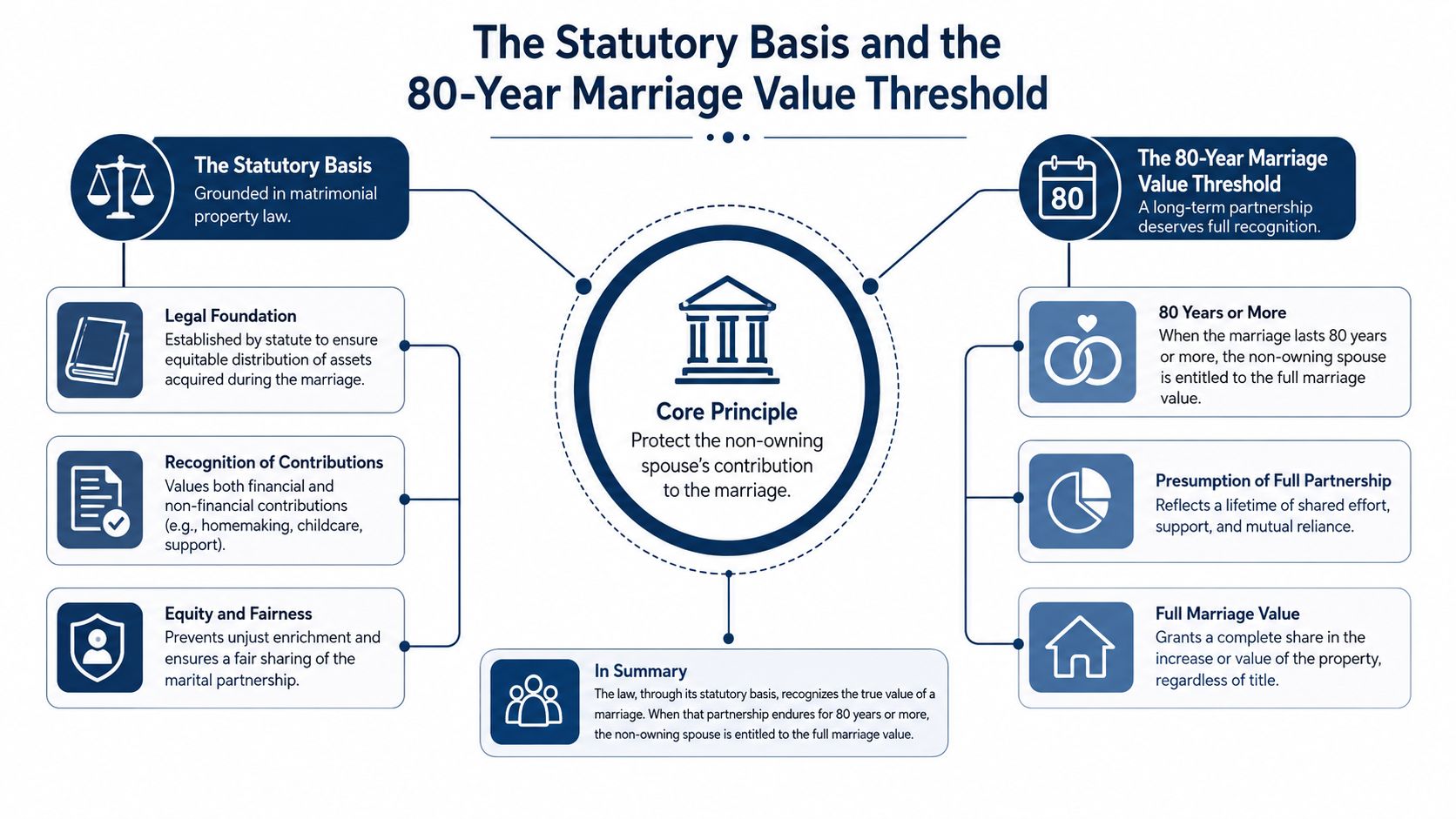
The legislation treats marriage value as nil when the unexpired term is above 80 years. Once the lease drops below 80 years, marriage value becomes payable and the landlord's share is 50%, as set out in paragraph 4 of Schedule 6.
In plain English, marriage value is the increase created when the leaseholder's interest and the freeholder's interest are brought together after the extension. Above the threshold, that uplift is ignored for this part of the statutory calculation. Below it, half of the uplift is added to the premium.
That is why a flat with 81 years left can be valued differently from the same flat with 79 years left. The physical building may be identical. The lease term changes the statutory calculation and can materially increase the premium.
What the threshold means in practice
The 80-year date belongs in your diary. It isn't a general rule that every lease at 79 years will cost the same, because the final figure depends on property value, ground rent, relativity, deferment and evidence. It is the point at which a new category of compensation enters the calculation.
The government's proposed valuation method would remove marriage value, cap ground rent treatment at 0.1% of freehold value and allow the government to prescribe deferment and capitalisation rates, according to its consultation on leasehold enfranchisement valuation rates. Those are proposed reforms, not assumptions you should automatically apply to a current valuation.
If your lease is near the threshold, obtain advice based on the law and procedure applying to your claim. Don't rely on a reform headline or an online estimate to decide whether to act.
How the Premium Is Built from Three Components
A lease extension premium has three parts. It compensates the freeholder for lost ground rent, the delayed return of the flat, and, where the lease is below 80 years, the landlord's share of marriage value.
The statutory wording describes the calculation as the reduction in the landlord's interest, plus marriage value and any other compensation due. The wording cited earlier remains the starting point. A valuer then turns it into figures supported by assumptions and market evidence.
The first component is lost ground rent
The existing lease may give the freeholder a right to receive ground rent. Extending the lease changes or removes that income. The valuer calculates the present value of the rent the freeholder will no longer receive.
The capitalisation rate affects that calculation. Change the rate and the present value changes, even if the rent stays the same. Your report should state the rent, review pattern and rate clearly. One unexplained premium figure is not enough.
The second component is the delayed reversion
The freeholder also owns the right to recover the flat when the lease ends. An extension postpones that right. The valuer estimates the future property value and discounts it back to today.
For flats, the Sportelli decisions have treated the 5% deferment rate as a benchmark in many cases. That rate has a direct effect on the reversion figure and therefore on the premium. The valuation approach is discussed in this residential lease extension valuation analysis.
Read the report line by line. If the reversion figure looks high, ask which deferment rate and property value support it.
The third component is marriage value
Marriage value applies when the lease has less than 80 years unexpired. It is the increase created by combining the leaseholder's and freeholder's interests after the extension. The landlord receives 50% of the uplift.
That 80-year cliff makes timing important. Below the threshold, the calculation includes an extra compensation component. In London, the difficult question is often the evidence behind the uplift, not the wording of the formula. Relativity, comparable sales and the assumed long lease value can all be disputed.
A sound report shows each component separately. It should set out the comparable sales, long lease value, ground rent treatment, deferment rate and capitalisation rate. For context on how property value is assessed in London, review the local valuation factors before accepting a premium.
Worked Examples Above and Below 80 Years
Consider two otherwise identical flats in a converted Victorian building near Forest Hill or Catford. They have the same accommodation, the same building condition and the same ground rent structure. One lease has more than 80 years left. The other has less than 80 years.
The valuer still needs evidence for both. That includes comparable sales, the value of the flat with a long lease, the ground rent income, the reversion and the relationship between the short lease value and the long lease value. That relationship is commonly described through relativity.
For the flat above 80 years, the valuation contains the lost ground rent and delayed reversion components. Marriage value is treated as nil under the statutory rule. For the flat below 80 years, the valuer must also assess the uplift and the landlord's 50% share.
| Factor | Above 80 Years | Below 80 Years |
|---|---|---|
| Ground rent | Valued as lost landlord income | Valued as lost landlord income |
| Reversion | Discounted to present value | Discounted to present value |
| Marriage value | Nil under the statutory rule | 50% of the relevant uplift is payable to the landlord |
| Evidence needed | Comparable sales and valuation rates | Comparable sales, relativity evidence and valuation rates |
| Main risk | Incorrect income or reversion assumptions | Those assumptions plus dispute over relativity and uplift |
A generic calculator may apply broad assumptions without considering whether a flat in Peckham trades like one in Dulwich, or whether a converted warehouse flat in Bermondsey has the same saleability as a purpose-built flat in Greenwich. It may also fail to reflect unusual lease clauses, local transactions or the quality of the evidence available.
Why London evidence matters
Government material describes the premium through term value, reversion value and other adjustments. First-tier Tribunal determinations show that premiums are decided case by case. One 2025 determination set a premium at £20,780, illustrating why a calculator cannot replace property-specific evidence. The figure appears in the government impact assessment on leasehold enfranchisement valuation rates.
The valuation is an evidence problem, not just a formula problem.
In higher-value London areas, a small change in relativity, deferment or capitalisation can alter the result materially. That is why you need a valuer who can explain why a particular comparable is relevant and why a generic average should be rejected.
Commissioning an RICS Valuer and Typical Fees
Start with the lease, not the calculator. Ask your solicitor or managing agent for the latest lease, the ground rent details, any rent review provisions and relevant information about the flat. Give the valuer the address, the unexpired term and any details of previous extension discussions.
Look for an RICS Chartered Surveyor with valuation experience in leasehold enfranchisement. CABE qualifications can also be relevant to a surveyor's wider built-environment knowledge. Check that the practice is independent, properly insured and able to explain its evidence.
Corinthian Surveyors London LTD is an independent practice based in Forest Hill, South East London. Clive Thompson holds RICS and CABE qualifications and has over 30 years' experience in the built environment. The firm is regulated by RICS, is a member of the RICS Valuers Registration Scheme and has no ties to lenders, estate agents or developers.
Questions to ask before instructing
Ask these directly:
- Relevant experience: Do you value statutory and negotiated lease extensions for flats in London?
- Report content: Will the report show the term value, reversion value, marriage value and other compensation separately?
- Comparable evidence: Which local sales will you consider, including evidence from nearby boroughs where appropriate?
- Negotiation support: Will you explain the valuation if the freeholder's figure differs?
- Conflicts: Are you independent of the freeholder, lender, estate agent and developer?
Fees vary according to the property, the lease documents, the valuation complexity and whether negotiation or tribunal work is required. A responsible valuer should provide a property-specific quotation rather than quote a meaningless universal figure.
Timescales also vary. Allow time for document review, inspection, comparable research and report preparation. The statutory notice and negotiation timetable should be coordinated with your solicitor, because a valuation report alone doesn't manage the legal claim.
For a broader explanation of what a professional valuation should contain, see RICS property valuations.
Negotiating the Premium and Reducing the Cost
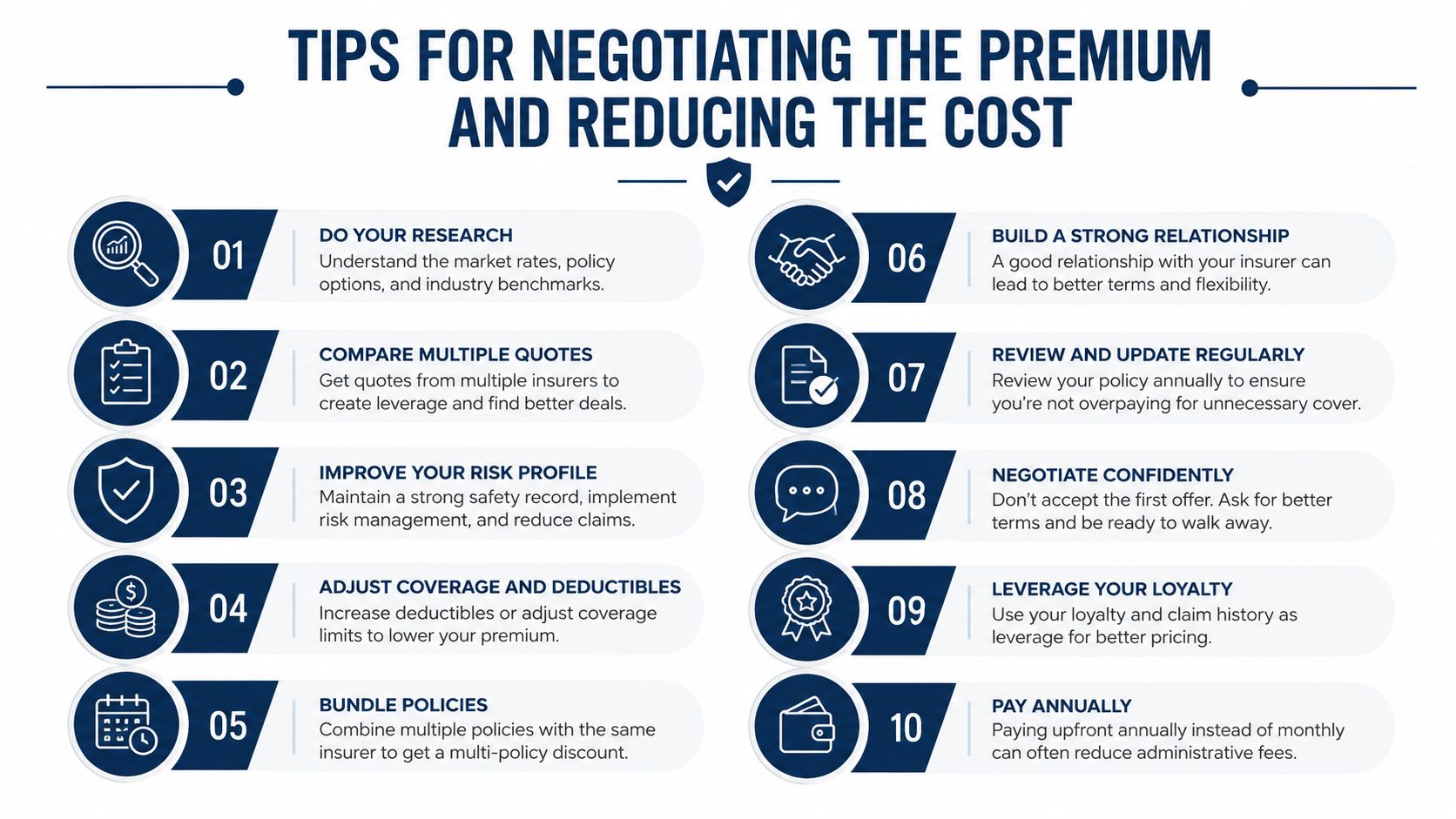
There is room to negotiate, but it isn't unlimited. The strongest arguments challenge the evidence behind the freeholder's assumptions. They don't demand a lower figure.
Start with relativity. Ask whether the assumed short lease value reflects actual sales of comparable flats in the same part of London. A flat in a well-managed period conversion in Blackheath may not provide a sound comparison for a poorly documented conversion in Deptford. The valuer should explain the adjustment.
Ground rent treatment is another area to test. Check the lease wording, the review provisions and the capitalisation assumption. A mistake in the income stream can distort the premium before marriage value is even considered.
Deferment is also important. A valuer should justify the rate used and explain its effect on the reversion. The Sportelli benchmark may be relevant, but the report still needs to address the facts of the property and the evidence available.
What not to do
Don't rely on one calculator. Don't submit a deliberately low offer without evidence. That can make the freeholder treat your position as unserious and may leave you exposed when the valuation is challenged.
You also need to budget for professional fees. The premium is only one part of the process. Legal advice, valuation work and possible dispute costs need to be considered before you choose a strategy.
If negotiations fail, the First-tier Tribunal may determine the premium. That doesn't make weak evidence acceptable. Tribunal proceedings require a clear valuation case, appropriate comparables and a surveyor who can defend the assumptions.
The practical approach is to use local evidence, challenge the specific inputs and negotiate from a properly supported figure. This guide to negotiating a house price after a survey explains the same basic principle in another property context, identify the defect or assumption, then support your position with evidence.
Leasehold Extension Valuation Checklist and Next Steps
Check the lease now. Record the unexpired term, ground rent and any review clause. Then decide whether you need a valuation before the term reaches 80 years or whether a different route is appropriate.
Use this checklist:
- Lease documents: Gather the lease, title information and ground rent details.
- Ownership position: Confirm whether the statutory two-year ownership rule affects your timing.
- Valuation evidence: Instruct an independent RICS valuer who knows the relevant London market.
- Premium components: Make sure the report identifies ground rent, reversion and marriage value where applicable.
- Professional costs: Allow for valuation and legal fees, as well as any negotiation or tribunal work.
- Reform position: Treat proposed changes to marriage value, rates and ground rent as proposals unless the law applying to your claim has changed.
Common questions
Can a buyer start the statutory process before owning the flat for two years?
Generally, a buyer who has not owned the property for two years cannot start the formal statutory extension process under the 1993 framework. The lease term should therefore be considered during the purchase negotiations.
Could proposed reforms remove marriage value?
The government's proposed method would remove marriage value, but you must obtain advice based on the law and procedure applying when you act. Don't assume a consultation automatically changes your current premium.
Does an online calculator give a reliable premium?
It can provide a rough indication. It can't replace a property-specific valuation supported by London market evidence.
For a leasehold extension valuation in Forest Hill, Lewisham, Greenwich, Bromley, Croydon or elsewhere across London, Corinthian Surveyors can review the lease, assess the evidence and explain the premium in plain English. Call 0800 00 16 422 when you have the documents ready, so the valuation can start from the facts rather than a guess.
Corinthian Surveyors London LTD provides independent RICS valuation advice for London residential leasehold extensions, supported by Clive Thompson's RICS and CABE qualifications and over 30 years in the built environment. Visit Corinthian Surveyors London LTD to outline your property and arrange the appropriate valuation service.